Melanoma
Risk Factors
- Severe sunburn history, especially in childhood.
- Using tanning beds.
- Having many moles or atypical moles.
- Fair skin, light eyes, and light hair.
- Family history of melanoma.
- A weakened immune system.
Common Age Group
- Increasing age, with higher rates in men over 50 and also among young people, particularly women under 30.
Overview
Melanoma, a serious form of skin cancer originating from melanocytes, is less common but more prone to spreading if not detected early, highlighting the importance of timely diagnosis for better recovery prospects.
Common Symptoms
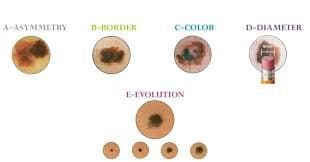
- Asymmetry: Uneven halves of the spot.
- Border: Irregular, ragged, or blurred edges.
- Color: Varied and uneven shades.
- Diameter: Generally larger than 6 mm, though smaller melanomas can occur.
- Evolving: Changes in the spot over time.
Treatment Options
- Diagnosis involves a biopsy of a suspicious mole. If melanoma is confirmed, the stage is determined to guide treatment, which may include surgery, lymph node removal, targeted therapy, immunotherapy, or radiation therapy, depending on the stage.